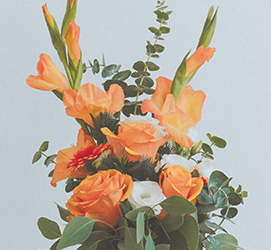
Clapton Common wedding flowers suppliers and price guide
Posted on 26/10/2026
Planning wedding flowers near Clapton Common can feel wonderfully exciting and slightly overwhelming at the same time. One minute you are picturing a bridal bouquet that looks soft and romantic in late afternoon light, the next you are trying to work out whether buttonholes, centrepieces, and ceremony flowers will fit the budget. That is exactly why this Clapton Common wedding flowers suppliers and price guide exists: to help you understand what local suppliers offer, what affects price, and how to choose flowers that suit both your style and your spend without the whole thing turning into a headache.
Truth be told, wedding floristry is one of those services where the details matter. A good supplier will not just hand over flowers. They will help with timing, venue logistics, seasonal choices, and those little finishing touches that make everything feel polished rather than pieced together. And in a busy part of East London, where venues can be compact, schedules tight, and delivery windows a bit unforgiving, that practical help really matters.
This guide walks you through the main options, realistic price expectations, buying decisions, best practices, and common mistakes to avoid. If you are comparing styles or trying to keep costs sensible, you are in the right place.
Table of Contents
- Why Clapton Common wedding flowers suppliers and price guide Matters
- How Clapton Common wedding flowers suppliers and price guide Works
- Key Benefits and Practical Advantages
- Who This Is For and When It Makes Sense
- Step-by-Step Guidance
- Expert Tips for Better Results
- Common Mistakes to Avoid
- Tools, Resources and Recommendations
- Law, Compliance, Standards, or Best Practice
- Options, Methods, or Comparison Table
- Case Study or Real-World Example
- Practical Checklist
- Conclusion
- Frequently Asked Questions
Why Clapton Common wedding flowers suppliers and price guide Matters
Wedding flowers do more than decorate a room. They set the tone before anyone has even sat down. A bouquet can say "modern and minimal", while a big garden-style arrangement might feel lush, soft, and a little bit dreamy. Around Clapton Common, where couples often mix city practicality with a more personal, local wedding feel, flowers can pull the whole day together in a way that feels intimate rather than overdone.
A supplier guide matters because flower buying is not always straightforward. Prices can vary quite a lot depending on stem choice, seasonality, design complexity, labour, and delivery needs. Two bouquets that look similar in a photo may be priced very differently once you factor in premium blooms, hand-tying, or last-minute changes. And let's face it, weddings have enough moving parts already.
It also matters because good wedding floristry is part art, part logistics. A florist needs to understand your venue, your colour palette, the ceremony timings, whether you need setup and collection, and whether your flowers must survive a warm registry office, a church service, or an all-day reception. Around Clapton Common, local knowledge helps. A supplier used to East London routes and venue timings is often better placed to avoid late arrivals, wilted petals, or awkward loading problems.
For many couples, the biggest stress is not choosing flowers. It is knowing what is actually worth paying for. A proper price guide gives you a framework, so you can separate nice-to-have extras from the essentials.
How Clapton Common wedding flowers suppliers and price guide Works
Most wedding flower suppliers work in a similar rhythm. You start with an enquiry, share your date, venue, theme, and rough budget, then discuss what is possible within that budget. From there, the florist usually suggests bloom types, colour directions, and arrangements. Some will offer ready-made wedding collections, while others build a fully bespoke package.
In practical terms, wedding floristry usually falls into a few parts:
- Bridal bouquet - the main bouquet carried by the bride or partner.
- Bridesmaid bouquets - smaller coordinating pieces.
- Buttonholes - pinned flowers for the groom, ushers, and close family.
- Corsages - worn arrangements, often for key guests.
- Ceremony flowers - aisle decorations, altar flowers, pedestal arrangements, or registrar table styling.
- Reception flowers - table arrangements, top-table pieces, or statement displays.
Price usually depends on several layers. Stem choice is one. Roses, orchids, and peonies typically push budgets up more than simpler seasonal flowers. Size is another. A hand-tied bouquet with a dozen stems will cost less than a large luxury bouquet with layered textures and specialty blooms. Then there is labour. Wiring flowers, matching colour tones, building arches, or setting up multiple tables all take time.
Some suppliers price by item. Others price by collection. A collection is handy if you want a coordinated look without planning every tiny component. For example, a wedding collection may bundle bridal bouquets, bridesmaid bouquets, and buttonholes into a more predictable package. That makes budgeting a lot less messy, which is useful when you are juggling venue hire, catering, outfits, and the rest.
There is also a difference between delivery-only floristry and full-service wedding floristry. Delivery-only means flowers arrive ready to place. Full-service usually includes consultation, design, transport, setup, and sometimes takedown. If your venue is simple and compact, delivery-only may be enough. If you are styling several areas, full-service is often worth the extra cost.
Key Benefits and Practical Advantages
Using a local or locally serving wedding florist near Clapton Common brings more value than many couples expect. It is not just about convenience, although that helps. It is about the quality of the whole experience.
- Better timing: Flowers arrive fresher when the supplier understands local routes and venue access.
- More suitable recommendations: A florist who works in London regularly will know which flowers behave better in changeable weather and indoor venues.
- Budget control: A price guide helps you prioritise where the money should go, instead of overspending on detail that no one will notice.
- Style matching: Whether you want classic white roses or softer mixed seasonal blooms, a good supplier can translate ideas into something cohesive.
- Less stress: Someone experienced will ask the right questions early, which cuts down on last-minute panic.
There is another benefit people often overlook: flowers affect photography. Good wedding flowers can make simple spaces look much more refined in pictures. A small table arrangement may seem modest in person, but if it frames the couple well and works with the light, it can be surprisingly powerful on camera.
A well-chosen bouquet does not need to shout. It just needs to feel right in the room, in the photos, and in your hands.
That is the sweet spot. Not too much, not too little. Just enough to make the day feel considered.
Who This Is For and When It Makes Sense
This guide is useful if you are at any of the usual wedding-planning stages: just starting out, narrowing down suppliers, or trying to make sense of a florist quote that looks a bit higher than expected. It is especially useful if you are planning a local Clapton Common wedding, a small East London ceremony, or a wider London event where flower delivery and setup timing matter.
You will find it helpful if you are:
- setting a floral budget for the first time
- comparing bespoke florists with package-based options
- deciding between seasonal flowers and premium imported blooms
- trying to keep costs down without making the wedding look sparse
- planning a registry office, church, marquee, or reception-style celebration
- wanting simple styling that still feels elegant and personal
It also makes sense if you are helping someone else plan. Parents, partners, and wedding coordinators often need the pricing breakdown more than the couple does, to be fair. Flower costs can be surprisingly easy to misunderstand if you have never ordered wedding florals before.
If your wedding is small, you may only need a bridal bouquet, one or two bridesmaid bouquets, and a few buttonholes. If the guest list is larger or the venue is more bare, you may need more structure through table flowers, entrance arrangements, and ceremony pieces. Different weddings, different needs. Simple as that.
Step-by-Step Guidance
Here is a practical way to approach wedding flowers without getting lost in the detail.
- Start with the venue and date. Your ceremony space, reception room, and season all affect what flowers are suitable and what they may cost.
- Decide what matters most. Is your priority the bridal bouquet, the table styling, or the ceremony backdrop? Put your money where the impact will be felt most.
- Set a realistic budget range. It is better to say "we have a rough floral budget of this much" than to ask for everything and hope it magically fits.
- Choose your style direction. Think classic, romantic, modern, wild, minimal, or seasonal. This gives the supplier a clear creative starting point.
- Ask for itemised pricing. You want to see what each bouquet, arrangement, and delivery element costs. That makes comparison much easier.
- Check what is included. Does the price include setup? Vases? Ribbon? Travel? Collection? Small extras can add up fast.
- Confirm substitution policy. Good florists may need to swap blooms if supply changes. Ask how they handle that and whether the overall look will stay consistent.
- Book early if your date is popular. Spring and summer dates go quickly. Local suppliers can get fully booked before you realise it. Happens all the time.
A useful rule of thumb is to think in layers. First layer: essential flowers. Second layer: nice extras. Third layer: decorative flourishes. That way, if you need to trim the budget, you know what can be removed without damaging the look of the day.
For example, a couple might choose a statement bridal bouquet, two bridesmaid bouquets, four buttonholes, and simple table flowers. Another couple might spend less on hand-held flowers but invest in one large ceremony arrangement because the venue otherwise feels too plain. Both choices can be right. The best one is the one that fits your day.
Expert Tips for Better Results
A few practical tips can make a real difference to the final result and the final invoice.
- Use seasonal flowers where possible. They usually give better value and look more natural in the setting.
- Pick a strong focal bloom. You do not need every flower to be expensive if one or two feature blooms carry the design.
- Reuse arrangements cleverly. Ceremony flowers can sometimes be moved to the reception. Ask whether your florist can design for dual use.
- Keep transport in mind. Loose arrangements can be delicate. If your venue has stairs, limited access, or tight setup times, mention that early.
- Bring inspiration, not obsession. A handful of reference images is enough. Too many photos from too many styles can muddy the brief.
- Think about scent. Lilies, roses, and other strongly scented flowers can be lovely, but a little goes a long way indoors.
If you want your flowers to feel more expensive without actually becoming more expensive, focus on shape and balance. A well-composed bouquet with good texture often feels richer than a large bunch that is simply crowded with stems. That's one of those florist things that sounds obvious once someone says it, but people miss it all the time.
And here is a small but important point: ask what happens if the weather turns hot or wet. Even in London, a warm day can make fresh flowers more delicate than expected. A sensible florist will already have thought about hydration, storage, and timing.
Common Mistakes to Avoid
Wedding flower mistakes are rarely dramatic. More often, they are small planning slips that add cost or create frustration on the day.
- Not setting a budget early: Without a range, quotes can drift upward quickly.
- Underestimating delivery and setup: A florist's time on the day matters just as much as the flowers themselves.
- Choosing flowers by photo only: Some blooms look beautiful online but are hard to source seasonally or are less practical for the time of year.
- Forgetting the venue size: A grand arrangement can overwhelm a tiny room, while small pieces may disappear in a larger hall.
- Skipping the backup plan: If a specific flower is unavailable, ask what the alternative would be before you agree to the quote.
- Over-ordering: More flowers are not always better. Sometimes a tighter, more focused design looks far more elegant.
One of the most common issues is asking for a "lush wedding look" without defining what that means. For one couple, that might mean white and green, candlelit, and romantic. For another, it means bold colour and lots of texture. The florist needs a clear direction, otherwise the result can drift. Nobody wants that awkward moment where the flowers are lovely, but somehow not quite your lovely.
Tools, Resources and Recommendations
You do not need a complicated toolkit to plan wedding flowers, but a few simple resources make the process smoother.
- A mood board: Save images of bouquets, table settings, fabrics, and venue details that share the same feel.
- A guest and table count: This helps estimate buttonholes, corsages, and centrepieces.
- Venue measurements or photos: Very helpful for checking scale, especially for ceremony pieces.
- A colour reference: Even a paint swatch, fabric sample, or dress photo can help align the palette.
- A delivery schedule: Ask your supplier what time flowers will arrive and who will accept them.
If you are comparing local flower options, it can also help to browse a florist's wedding-specific pages alongside everyday flower ranges. For example, a dedicated wedding collection can show the overall style language of the florist, while items such as bridal bouquets, bridesmaid bouquets, and buttonholes help you see how the individual pieces may be priced and styled.
For ceremony and reception styling, it is also worth checking table arrangements, because table flowers often do a lot of visual heavy lifting in the room. If you are aiming for a more coherent package, a curated option like a coordinated wedding collection may be easier to manage than piecing everything together one by one.
And if your budget is tight, do not ignore the value of simpler, smaller elements. Even one beautifully chosen bouquet, paired with thoughtful buttonholes, can feel elegant and complete. That counts.
Law, Compliance, Standards, or Best Practice
Wedding floristry in the UK is not usually heavily regulated in the way some industries are, but there are still sensible standards and best practices that good suppliers should follow. The most important one is straightforward: clear communication about product, price, delivery, and substitutions.
On a practical level, you should expect:
- Clear order terms: What is included, when payment is due, and what happens if plans change.
- Refund or complaint handling: A fair process if something goes wrong, especially with delivered goods.
- Transparent substitution policy: Seasonal flowers may vary, but the design should still respect the agreed style.
- Responsible handling of materials: Florists should take care with sharp wires, water containers, and packaging.
- Accessibility and delivery awareness: If a venue has limited access, stairs, or timing restrictions, that should be discussed in advance.
If you are comparing suppliers, it is sensible to read the website pages that explain customer service terms, delivery, and policies. For example, a clear delivery policy, returns and refund information, and terms and conditions are reassuring because they show how the business handles the less glamorous side of ordering flowers. You may never need them, which is the hope, but it is better to know they are there.
Best practice also includes sustainability where possible. Many couples now ask about local sourcing, reusable mechanics, foam-free design choices, and waste reduction. Not every arrangement can be fully foam-free, and not every bloom can be locally grown year-round, but thoughtful suppliers should be able to explain their approach. If that matters to you, ask directly.
Options, Methods, or Comparison Table
There is no single right way to buy wedding flowers. The best option depends on budget, style, and how hands-on you want to be. Here is a simple comparison that may help.
| Option | Best for | Typical strengths | Possible drawbacks |
|---|---|---|---|
| Bespoke florist service | Couples wanting a tailored design | Highly personal, venue-aware, polished finish | Usually higher cost and more planning time |
| Wedding collection or package | Couples wanting simplicity and predictability | Easier budgeting, coordinated look, quicker decisions | Less flexible if you want something very specific |
| Item-by-item ordering | Smaller weddings or very controlled budgets | Only pay for what you need, easy to trim extras | Can become fragmented if styling is not planned carefully |
| Mixed approach | Couples balancing budget and style | Spend on focal pieces, save on simpler items | Needs a clear eye so the design stays cohesive |
In many Clapton Common weddings, the mixed approach works well. A couple may choose a more detailed bridal bouquet and keep the bridesmaid bouquets simple, or save money on ceremony flowers and add value through table arrangements. There is a quiet elegance to smart compromise. No shame in that at all.
Case Study or Real-World Example
Consider a straightforward local wedding: a late spring ceremony near Clapton Common with a small guest list, a modest reception, and a clear preference for soft whites, blush tones, and green foliage. The couple wants the flowers to feel romantic but not too formal, and they have a sensible budget rather than an unlimited one.
Here is how a florist might shape the order:
- 1 bridal bouquet with roses and seasonal mixed flowers
- 2 bridesmaid bouquets in a smaller matching style
- 4 buttonholes for key family members and the couple
- 2 modest table arrangements for the reception
Instead of commissioning a large floral arch, the couple asks the florist to make the ceremony table attractive and reuse the main arrangements at the reception. That saves money and still gives the day a dressed, considered look. A few candles, a clean table linen, and good natural light do the rest. The room feels complete without being crowded.
That kind of wedding is very common. Not every couple wants or needs a full floral spectacle. In fact, many people prefer fewer pieces that are more carefully chosen. You can often tell when flowers have been chosen with care because they seem to settle naturally into the room, like they were always meant to be there.
What makes the difference? Usually three things: sensible scope, clear style direction, and a florist who understands how to stretch value without compromising the finish.
Practical Checklist
Use this before you confirm your florist or place an order.
- Have I set a realistic flower budget?
- Do I know which items are essential and which are optional?
- Have I chosen a rough colour palette or style direction?
- Have I shared venue details, including access and timing?
- Do I understand what the quoted price includes?
- Have I asked about substitutions if certain flowers are unavailable?
- Have I checked whether setup and collection are included?
- Do the flowers fit the season and the venue size?
- Have I compared collection options with item-by-item pricing?
- Have I confirmed the order deadline and payment terms?
If you can tick most of those off, you are in a strong position. If not, no problem. Better to pause and clarify now than discover a mismatch later, usually while everyone is busy getting dressed.
Get a free quote today and see how much you can save.
Conclusion
Choosing Clapton Common wedding flowers suppliers and price guide details is really about making confident, calm decisions. Once you understand what affects price, which items matter most, and how suppliers structure their services, the whole process becomes far less intimidating. That is the goal here: to help you spend wisely, style beautifully, and avoid the usual wedding-planning wobble.
Start with your budget, be honest about your priorities, and look for a florist who explains things clearly. If you do that, you will usually end up with flowers that feel personal, practical, and genuinely beautiful on the day. And if one of your arrangements ends up being the thing everyone comments on first, well, that is a lovely little bonus, isn't it?
Mostly though, the right flowers just make the day feel like yours. Soft, bright, calm, joyful. Exactly as it should be.
Frequently Asked Questions
How much do wedding flowers usually cost near Clapton Common?
Prices vary a lot depending on flower type, design complexity, and how many items you need. A simple bridal bouquet and a few buttonholes will cost much less than a full ceremony and reception setup. The safest approach is to ask for itemised pricing so you can compare like with like.
What is the cheapest way to get good wedding flowers?
The most budget-friendly route is usually to choose seasonal flowers, keep the number of arrangements focused, and avoid highly complex designs. A smaller number of well-made pieces often looks better than lots of thinly spread florals.
Do wedding flowers need to be ordered far in advance?
For popular dates, yes. It is sensible to enquire early, especially for spring and summer weddings. Even if you are not ready to finalise every detail, getting a florist lined up early gives you more choice and less stress.
Can I reuse ceremony flowers at the reception?
Often, yes. Many florists can design arrangements that move from ceremony to reception with minimal fuss. This is one of the best ways to stretch your budget without reducing the visual impact of the day.
Should I choose seasonal flowers or specific flowers I love?
If a specific flower is a must-have, tell the florist early. If you are open-minded, seasonal flowers usually offer better value and more flexibility. A good florist can often capture the look you want without using every exact bloom from the inspiration photo.
What flowers work best for small weddings?
Small weddings often suit a refined bouquet, a few buttonholes, and one or two elegant table pieces. There is no need to overcomplicate things. Simpler arrangements can feel very polished in a smaller room.
How do I compare two florist quotes properly?
Look beyond the total price. Check what is included, how many arrangements are covered, whether delivery and setup are included, and what happens if flowers need to be substituted. A cheaper quote can cost more later if it excludes important services.
Is it better to buy a wedding package or choose items separately?
Packages are often easier for budgeting and give a coordinated look. Item-by-item ordering gives you more control. The right choice depends on how custom you want the flowers to be and how confident you are in building the look yourself.
What should I tell the florist before asking for a quote?
Share your date, venue, approximate guest count, style preference, colour palette, and budget range. It also helps to mention any access issues, delivery timing needs, and whether you want setup or collection. The more context you give, the better the quote will be.
Do wedding flowers need special care on the day?
Yes, especially in warm rooms or during long waits before the ceremony. Flowers should be kept cool, hydrated, and away from direct heat where possible. Ask your florist how to store bouquets and arrangements before they are used.
Can I have a beautiful wedding bouquet without spending a fortune?
Absolutely. Focus your budget on one standout bouquet, choose seasonal blooms, and keep the rest of the floral scheme clean and simple. A well-composed bouquet can carry a lot of visual weight on its own.
What if the flowers I want are unavailable?
A good florist will suggest substitutes that keep the overall style and colour balance intact. This is normal, especially with seasonal flowers. The key is to agree the look rather than insisting on one exact stem no matter what.